Saturday, 24 October 2026, 4:00pm
OPEN TO THE PUBLIC & FREE WITH RESERVATION
At The Huntington Library, Art Museum, and Botanical Gardens 1151 Oxford Rd, San Marino, CA 91108, Ahmanson Classroom and Livestream
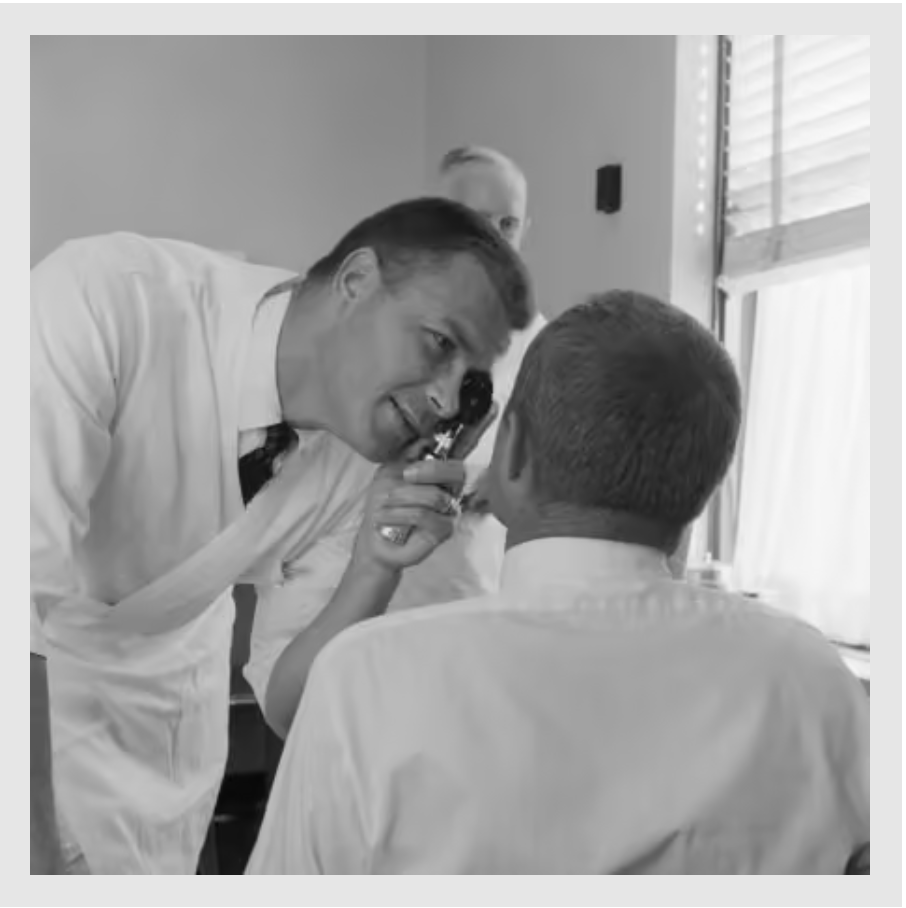
The Carceral Cornea: Death Row “Donation” in Mid-Twentieth Century America
Susan E. Lederer, PhD, The Ronald L. Numbers Professor of Medical History and Bioethics, University of Wisconsin, Madison
Join Susan E. Lederer for an illuminating lecture on the role of American prison inmates as biomaterial in the middle decades of the 20th century and continuing contemporary discussions of the ethics of organ donation by incarcerated individuals.
In the 1930s advances in corneal replacement surgery gave fresh hope to some 200,000 blind Americans. But acquiring the necessary biomaterial proved challenging for surgeons and patients alike. Some people quickly turned to men awaiting execution, writing letters imploring them in life to allow the post-mortem removal of their eyes for the benefit of others. Between 1938 and 1967 more than 60 men on death row either signed pledges or composed wills that authorized surgeons to use their corneas in sight-restoring transplant procedures. This talk examines the ways in which prison inmates became a source of therapeutic material in the middle decades of the 20th century and how some inmates not only promoted cornea donation behind bars but also coordinated prisoner participation in the massive blood collection efforts viewed as essential to the war effort. It considers both representations of prisoner ‘donors’ and the opportunities for “atonement,” as well as the cultural trope of “seeing through a murderer’s eye.” Amid the durable shortage of viable organs, some prisoners, transplant surgeons, and bioethicists have advocated allowing expanded opportunities for inmate organ donation.
This event is co-hosted by the Southern California Society for the History of Medicine and The Huntington.

